









Residential and non-residential construction
Europarei: a new neighbourhood built from reclaimed materials
Text Desiree PenningsPhotography Fred Tigelaar Fotografie
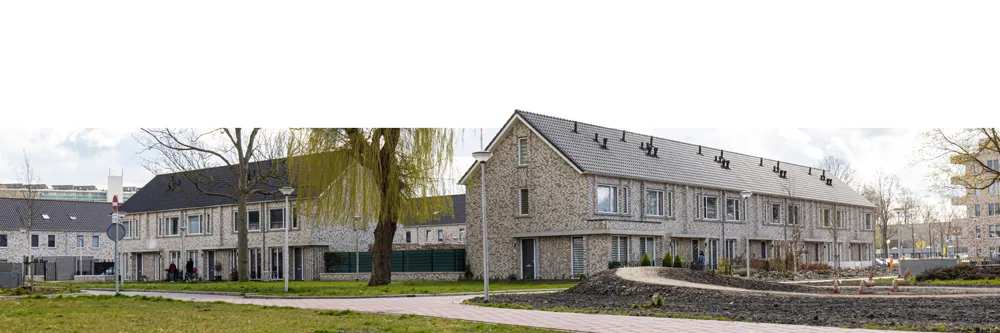
Circular construction is booming. Europarei in Uithoorn is a fine example, with an entire neighbourhood redeveloped.
Client Eigen Haard and main contractor Heddes Bouw & Ontwikkeling set out to achieve 95% circularity. Materials recovered from the demolition of the old homes were used, among other things, in the new flats and in other projects.
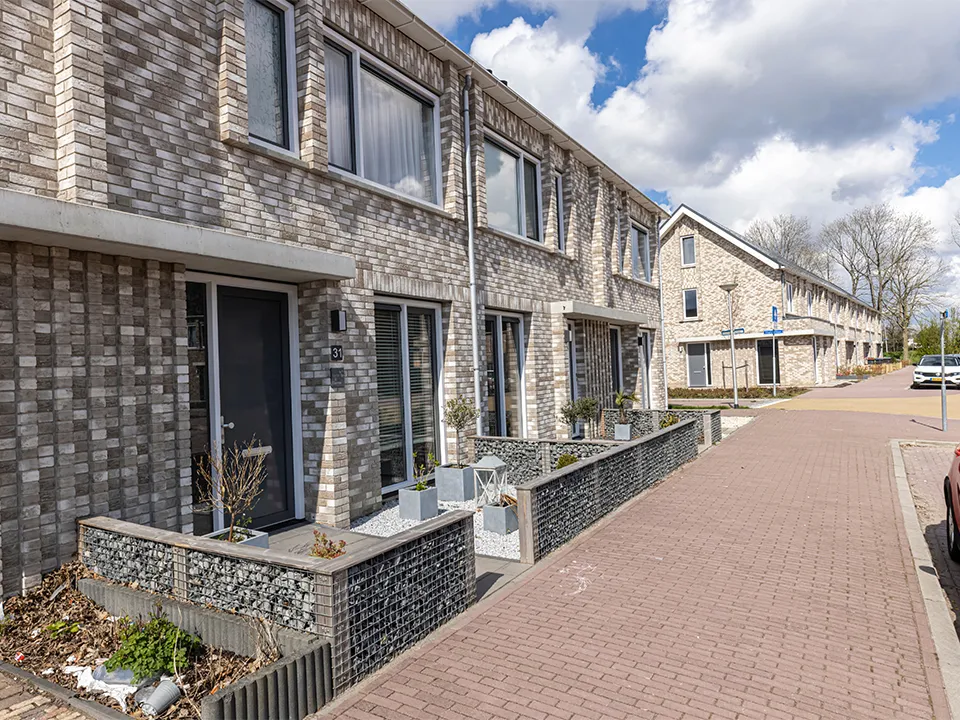
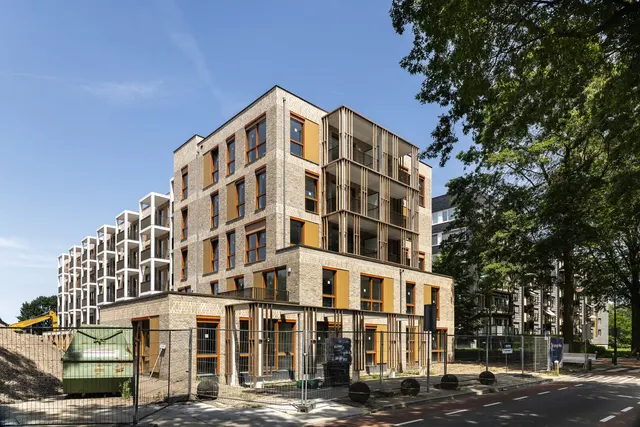
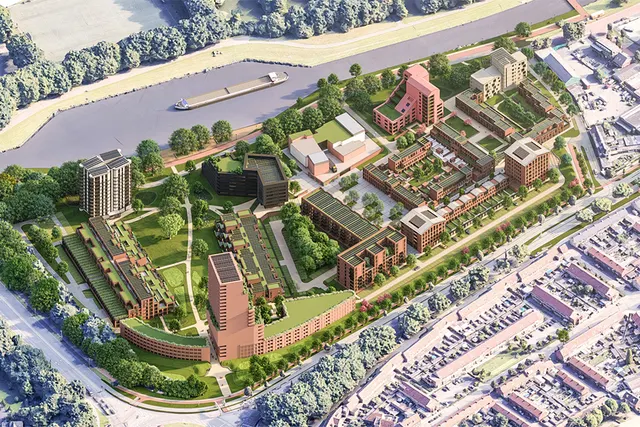
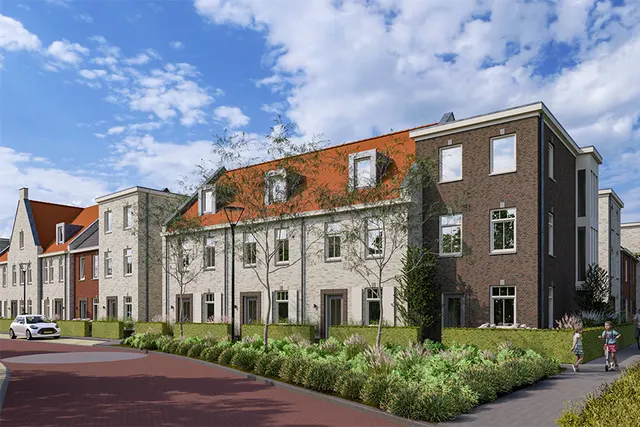
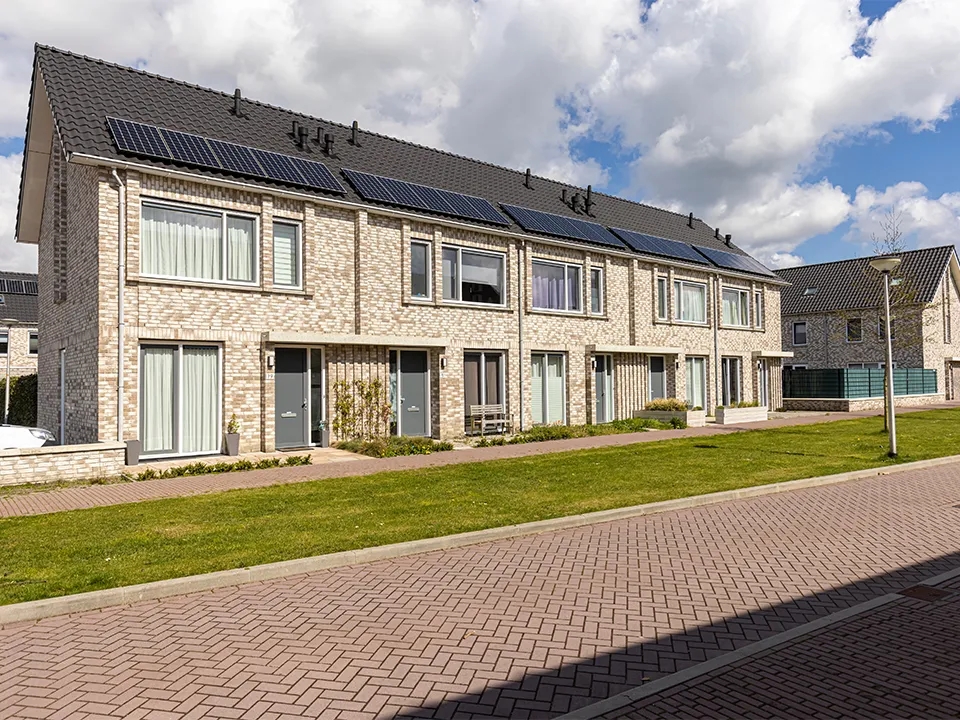
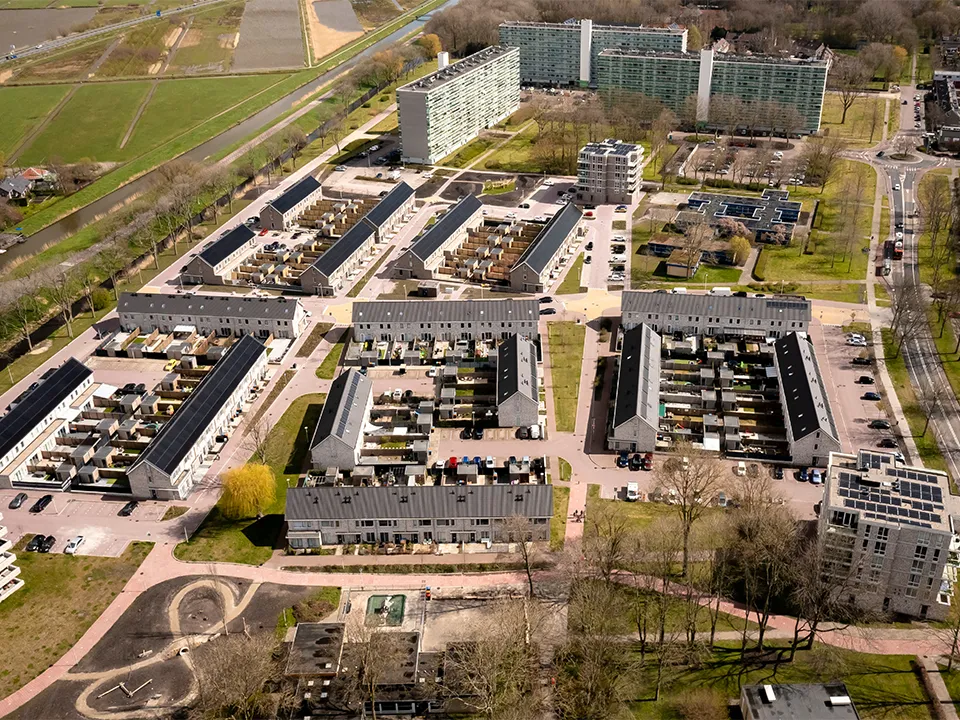
Uithoorn previously had nine blocks of flats, six of which were renovated. Three blocks were demolished in phases, making way for 187 new homes: a mix of houses and flats for rent, as well as homes for sale. The project was delivered through a supply-chain partnership between Eigen Haard, GP Groot and Heddes Bouw & Ontwikkeling. The municipality, residents and neighbourhood organisations were involved in developing the new plans.
Reusing materials
“The different types of homes have made this a very varied and pleasant neighbourhood,” says William Rood, project manager at Heddes. “It is home to a mix of older and younger people. The first homes to be completed were intended for residents of the flats. That is why the blocks were demolished in phases. A mix of homes for sale and rent was completed afterwards, creating a great deal of diversity.” In total, there are three apartment blocks, each with 21 homes, positioned at the corners of the neighbourhood and providing access to the 124 houses.
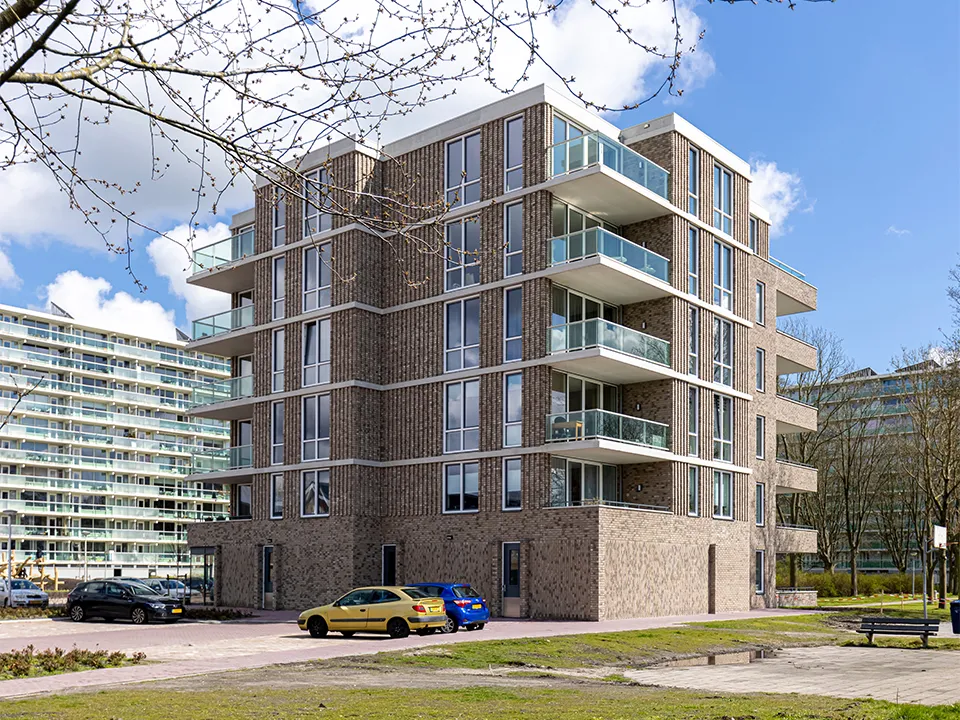
Demolition was carried out by GP Groot. The old blocks were eleven storeys high, and as many materials as possible had to be reused. Rood: “The project had high sustainability ambitions.
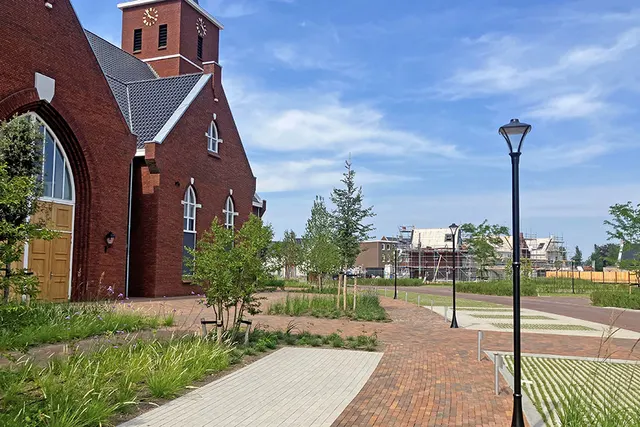
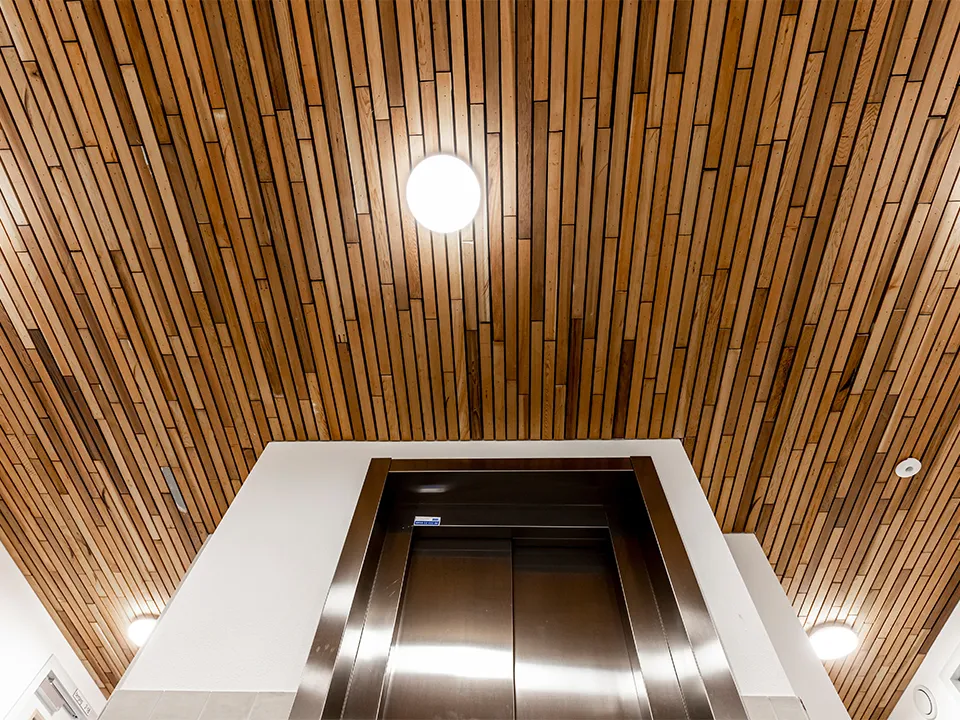
That is why we carried out the demolition circularly, reusing paving materials, lamp posts and timber, among other things. One good example is the timber, which we reprocessed into new frame timber and used for the apartment entrance ceilings. It was reclaimed from old casement windows in the flats.”
Lessons learnt
Because the project was delivered in three phases, lessons learnt could be carried forward into each subsequent phase. The partners saw the project gradually blossom into a shining example of sustainability. The homes in phase 1 were fitted with a conventional energy system connected to the gas network. All homes in phases 2 and 3 have heating and cooling, as well as a controlled ventilation system that also detects moisture in the air. Buyers could also choose extra options, such as additional kitchen fittings, a dormer window or an extension. These are zero-energy-bill homes equipped with PV panels, a heat pump and heat recovery units.
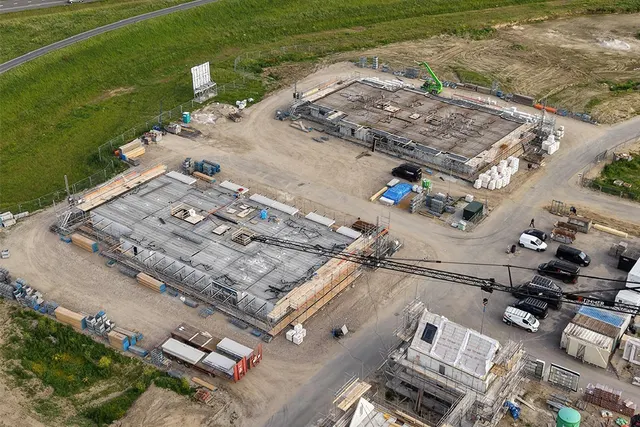
The fixed sequence of works meant the schedule was very tight. Between the three phases, residents had to move into their new homes. Thanks to the positive collaboration, the entire project was completed at a brisk pace. “We worked here very happily for four years. The supply-chain partnership gave us a great sense of momentum. We were all focused on achieving the end goal. What we learnt in phase 1, we were able to apply in the next phases, and we also enjoyed ourselves immensely,” says Rood.
‘Circular demolition is about working together’
Together with its partners, GP Groot sloopwerken en saneringen is working hard to realise its circular ambitions. For the Europarei project, three gallery-access blocks of flats dating from the 1970s were dismantled circularly in three phases. Dismantled hardwood was reprocessed and reused in the new build on the site, among other things. The work was carried out by a construction team comprising Heddes and Eigen Haard. Work began in 2016 with the first block and concluded in 2019 with the third.
The partnership generated circular expertise and reduced costs, as the knowledge gained from each block was translated into improvements to the demolition process for the next. The first steps on the circular path included producing recycled concrete aggregate as a substitute for gravel, reusing paving stones and street furniture such as lamp posts, and recovering materials from the demolished blocks, including hardwood window frames and sills. The timber was taken to the site in Alkmaar, where it was de-nailed, sawn and planed. The result is a range of high-quality products purchased by construction and housing associations for use in new projects. Other products were reused on site in the new neighbourhood created after the blocks were demolished.
Project details
Client Housing association Eigen Haard
Main contractor Heddes Bouw & Ontwikkeling
Circular demolition GP Groot
Prefab foundations Appel beton
Structural shell Spaansen building systems
External brickwork Putter en Zn
Internal brickwork StoneSkills
Timber roofs Houttec prefab
Plastic window frames Schipper
Circular window frame Timmerfabriek De Baanakker
Circular ceiling installation 4-U-2
Electrical installation Blom
Mechanical installation Van der Sluis
Heating and cooling generation Klimaatgarant
Construction period late 2016 to late 2020
Have a business enquiry for Appel Beton? Get in touch
Who worked on it
Europarei in Uithoorn
- Precast foundations
 Appel beton
- Heating/cooling generation
 Klimaatgarant
- Housing associationEigen Haard
- Main contractorHeddes Bouw & Ontwikkeling
- Circular demolition worksGP Groot
- CascoCasco Spaansen bouwsystemen
- Masonry facadesPutter en Zn
- Masonry internal wallsStoneSkills
- Timber roofsHouttec prefab
- uPVC window framesSchipper
- Circular window frameTimmerfabriek De Baanakker
- Circular ceiling installation4-U-2
- electrical installationBlom
- Mechanical installationVan der Sluis
Keep following this
Get an email when a new story is published. No account needed.
- ProjectEuroparei
- SubjectResidential and non-residential construction
- CompanyAppel Beton
- CompanyKlimaatgarant
- CompanyEigen Haard
- CompanyHeddes Bouw & Ontwikkeling
- CompanyGP Groot