









‘Keep fire safety in mind after handover too’
Text Nolanda KlunderImage WIHA Brandpreventie
Inspections and checks
“Fire safety inspections must not be treated as an afterthought,” warns Jeroen Tempels, director and owner of WIHA Brandpreventie. “If changes to a building are reported through our logbook system, we can check whether it is still as safe as it was at handover.”
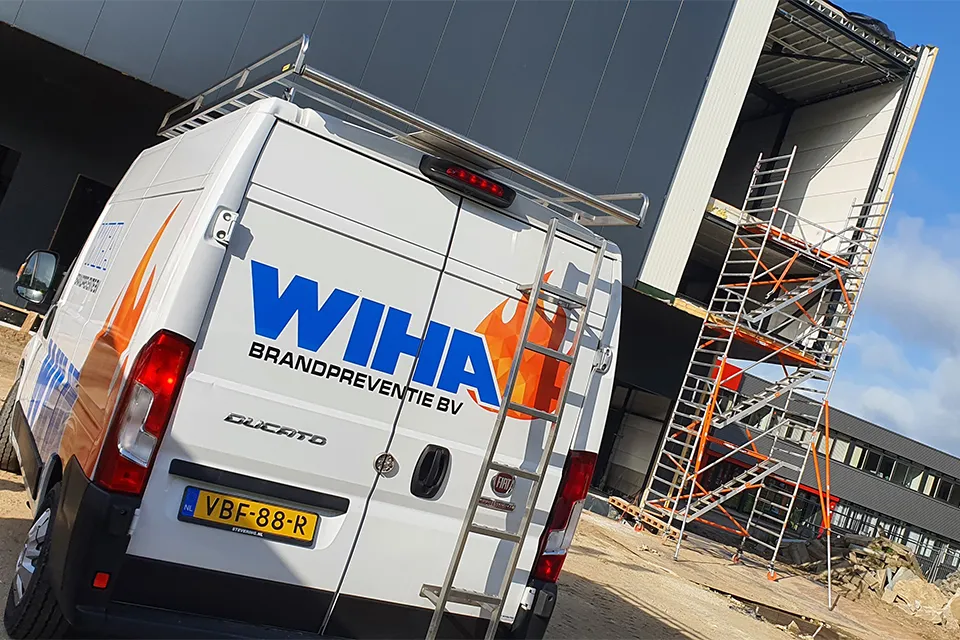
WIHA Brandpreventie offers a wide range of structural and passive fire protection measures. “We make buildings safe, so that people can escape safely in the event of a fire and only one compartment burns out, rather than the entire building,” Tempels explains. “In short, we save lives and limit damage.”
After handover
He continues: “We help ensure that many buildings in the Netherlands are fire-safe. But it is important to stress that fire safety also needs attention after handover. Buildings change during their use: think of small-scale renovations and changes to Wi-Fi networks, power supplies and electrical systems. Fire-resistant measures are sometimes removed, or a hole is made in a fire-separating wall. The building is then no longer as fire-safe as it was at handover.”
Logbook
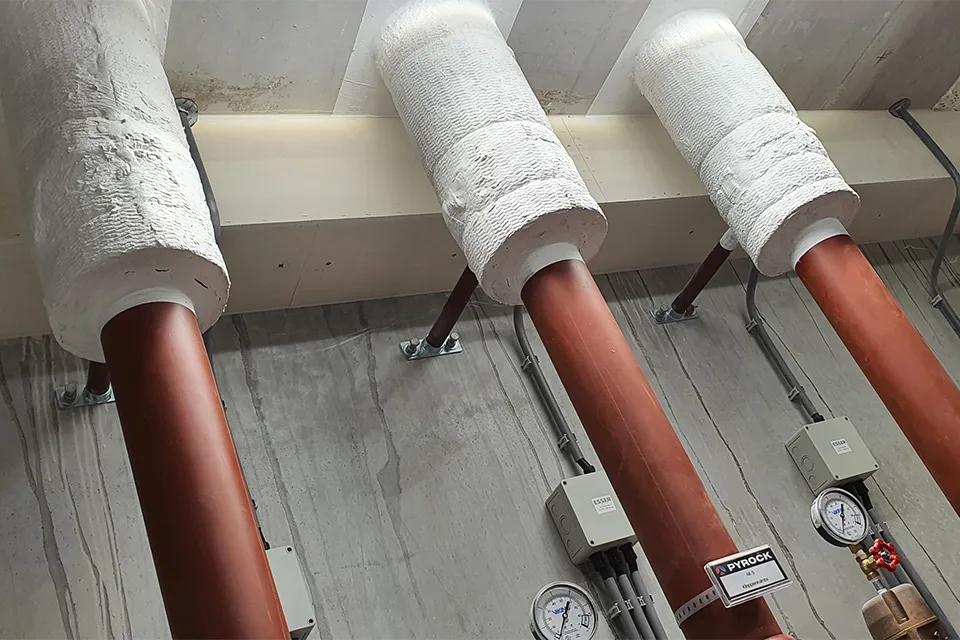
Every alteration should therefore be followed by an inspection to check whether the building is still fire-safe. WIHA has a logbook system for this purpose. Tempels says: “We create a logbook for every project, with building plans and photographs. It records what we have done, the fire-resistance rating in minutes of each service penetration, and the materials used, with links to test reports and certificates for those materials. This gives the building owner a precise picture of the situation. Whenever something changes, they can post a message in the logbook. We can then come and check that fire safety is still up to standard and remedy any defects straight away. But not all building owners do this.”
Responsibility
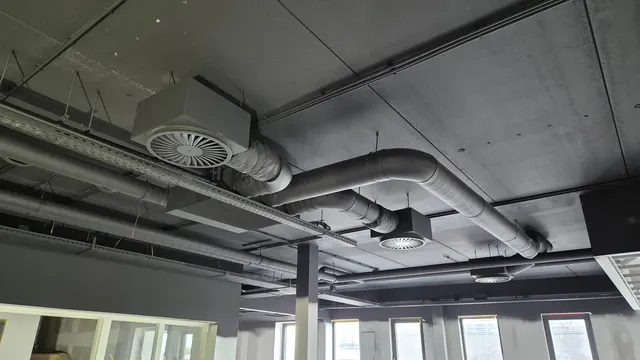
Under the Building Decree, the owner or user of a building is responsible for its safety. They must arrange for adequate maintenance and inspections. Tempels says: “But ‘adequate’ is not defined: does it mean twice a year or once every five years? What is sensible depends on the building’s function. A dynamic environment such as a manufacturing business, where machinery is constantly being modified or moved, needs more frequent inspections than, for example, a storage facility where little changes. The owner must decide how often inspections are needed. One difficulty is that our work is often behind ceilings or otherwise concealed from view. And out of sight, out of mind. For many, fire safety is an afterthought. Fortunately, some owners have everything checked once or twice a year, but there are also buildings we never visit again after handover. Our message to all building owners is: remember your duty of care and recognise that you are responsible for the people in your building. It is easy to get this right.”
Question about this story? Ask your question
Keep following this
Get an email when a new story is published. No account needed.
- SubjectGeneral