Platform on new construction, renovation, restoration and transformation
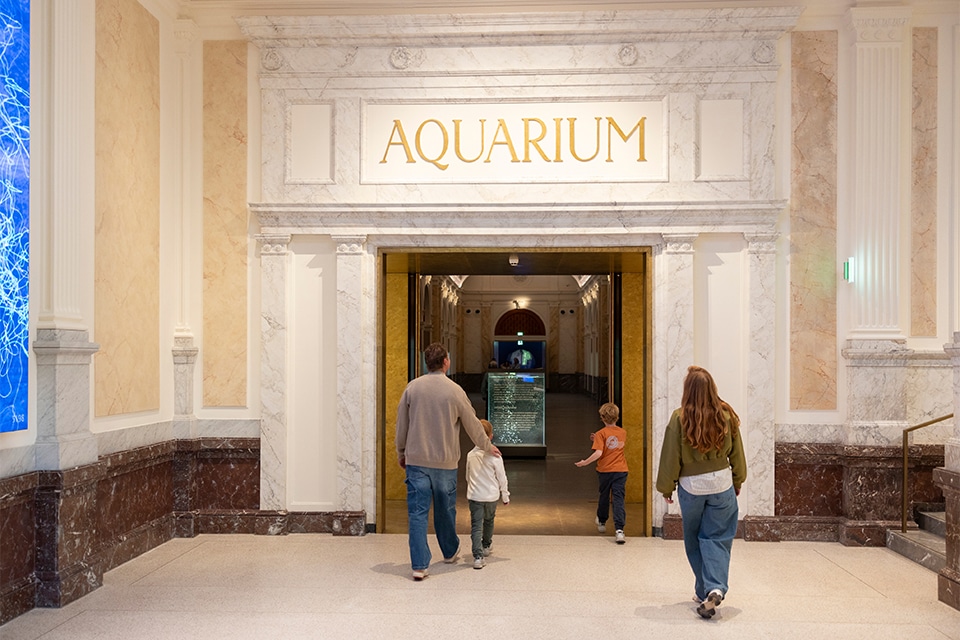
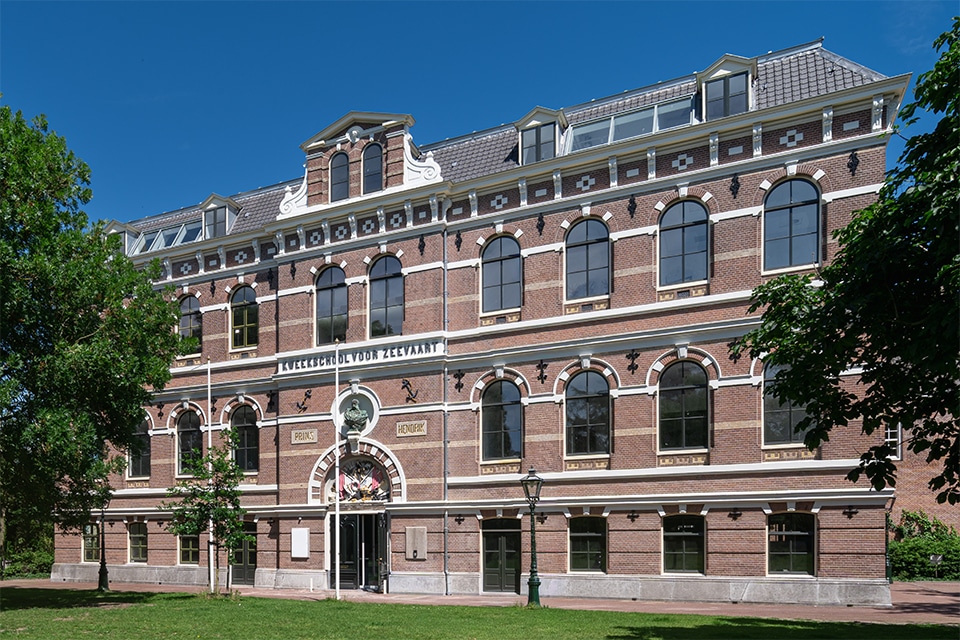
After more than five years of intensive restoration, the iconic ARTIS Aquarium has reopened its doors to the public. Visitors can now see a beautifully restored national historic landmark. “The massive undertaking required to bring the salt-damaged building up to modern standards is, unfortunately, less visible,” says a proud Arjan Visch, project manager at Salverda Bouw, the general contractor for the restoration.
The Aquarium, which houses both freshwater and saltwater life, is over 140 years old. “The saltwater section, in particular, had severely damaged the historic building,” says Visch. “Masonry was crumbling, natural stone showed salt efflorescence everywhere, steel structures were corroding, and saltwater tanks were leaking. During the COVID-19 pandemic, when the building was closed, parts of the ceilings even began to collapse. It was a clear sign that action could no longer be postponed.”
For contractor Salverda Bouw, the project officially began in April 2022. However, the groundwork had been laid much earlier. During a dinner at the Aquarium—a company outing more than ten years ago—company employees had already noticed how poor the building’s condition was. Through previous projects at ARTIS, the collaboration continued to grow, and in 2021, Salverda Bouw won the bid for the restoration with the best plan and the best price.
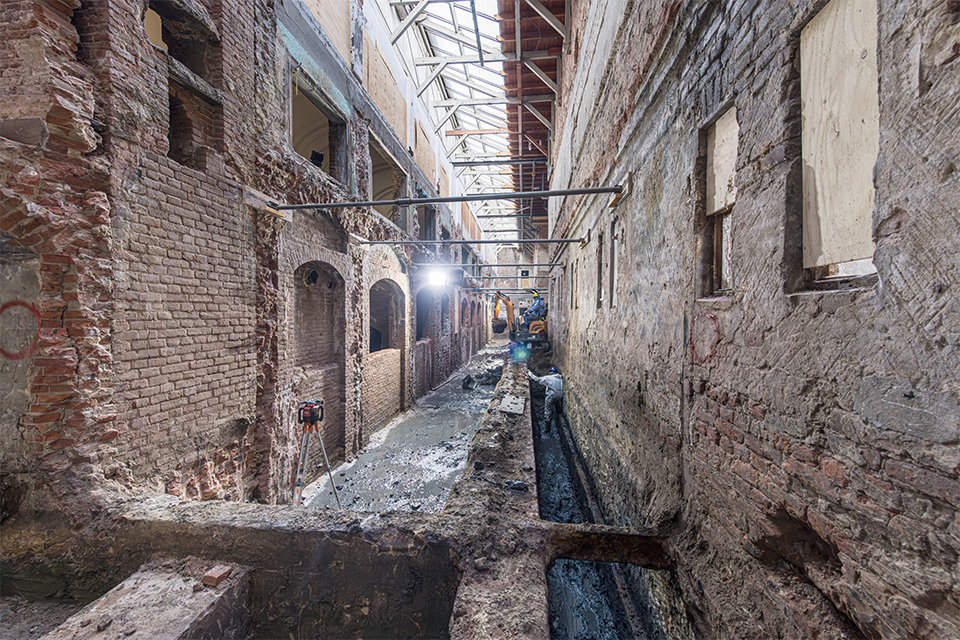
The restoration began with months of preparation and a thorough stripping and demolition phase. “It wasn’t until then that the true extent of the damage became apparent,” Visch recalls. “Surprises emerged from behind the finishes: ornaments that appeared to be original turned out to be additions from the 1990s, while original doors and historic details were actually rediscovered. It also became truly clear just how devastating the salt’s impact on the hull had been.”
One of the most drastic changes was the removal of the worn-out saltwater tanks. According to Visch, these were beyond repair. “The animals were relocated to other zoos in the Netherlands and abroad. The ecosystem was then completely redesigned. The number of saltwater tanks was reduced from fifteen to seven, with significantly larger water capacities. This was a major improvement for animal welfare.” On the freshwater side, the original tanks could largely be preserved. However, some tanks were combined, and structures were completely restored and fitted with new glass and protective coatings.
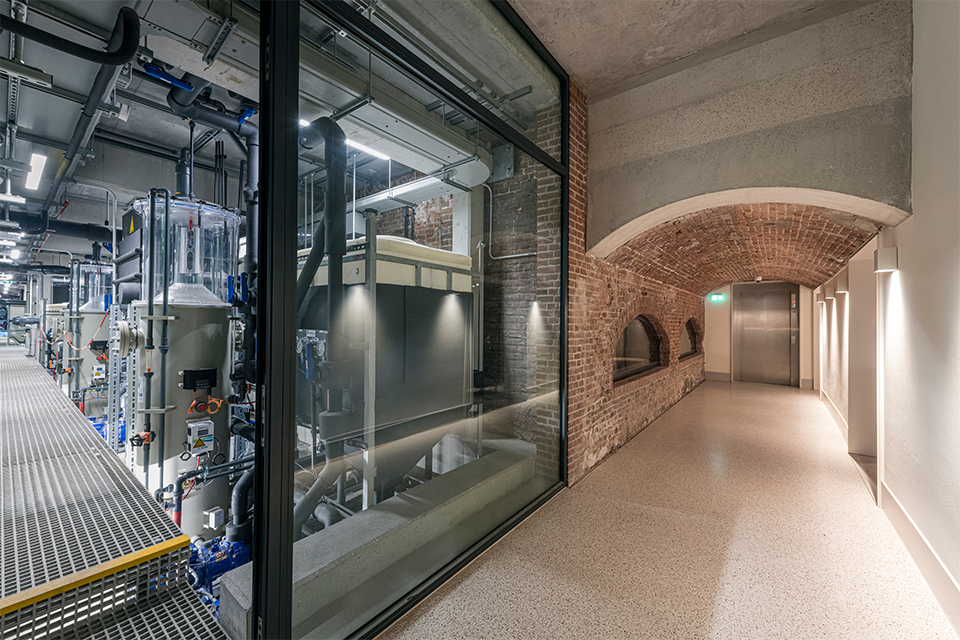
All of the technical systems at the Aquarium were upgraded. “Mechanical systems, electrical systems, and complex water treatment systems were given a completely new infrastructure,” Visch explains. “A particular challenge was that many of the systems remain visible to visitors. That’s why functionality, aesthetics, and historic preservation had to be carefully balanced.”
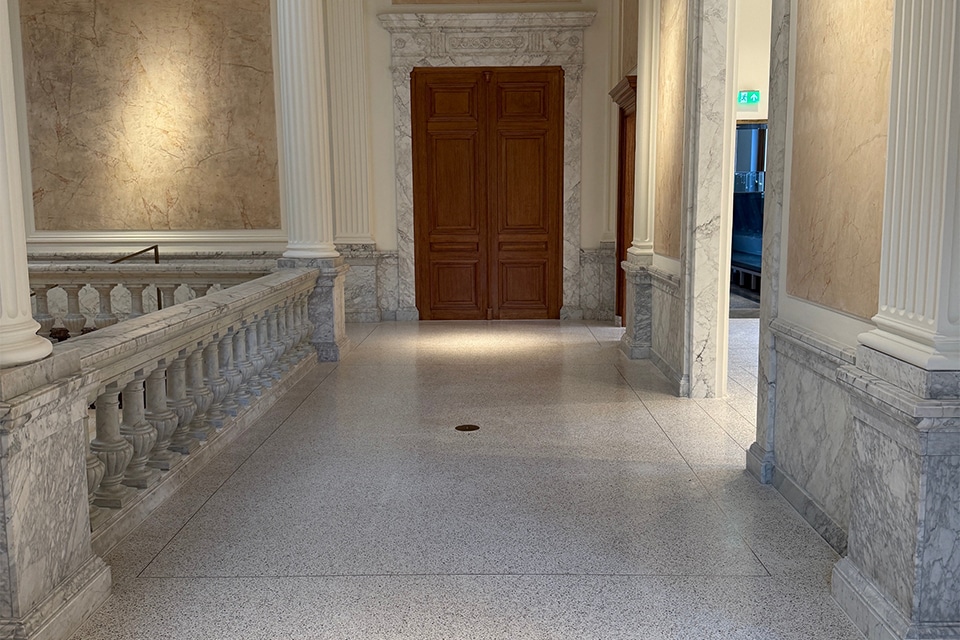
The project also featured numerous highlights from an architectural standpoint. “Historic windows were dismantled, replicated, and fitted with heritage-grade glass. Sealed-off facade openings were restored to their original condition. Underfloor heating was then installed, new terrazzo floors were laid, and the building was disconnected from the gas supply,” Visch summarizes. “The roof was given new insulation and a new zinc finish, while natural stone, stucco, and faux paintings were restored—though with visible traces of the ravages of time.”
According to Visch, the end result is above all a team effort. “Together with ARTIS, architects, the Cultural Heritage Agency, consultants, and specialized subcontractors, we worked toward a single common goal: preserving a unique monument for future generations. Now you see a fantastic building that everyone is proud of, but it doesn’t reflect the work and hard labor that have gone into it over the past three years.”